

How to Help Animals This Winter! - 7 Tips for Dormice and More.

T-shirts are slowly drifting into the back corner of the wardrobe as the winter jacket gets ready to take over. And it’s not just us who feel the chill; the animal kingdom is bracing for the cold too. All those creatures who brightened our summer and spring are now preparing for the cold days ahead. And they do it with remarkable skill. Birds, hedgehogs, and squirrels are true survivors. Still, you can make their battle against the cold a little easier.
We’ve gathered 7 tips on how you can easily lend a helping hand to animals during winter!
1) Let the old leaves lie
If you have a garden, just relax a bit. We tend to clear away old branches and leaves, but animals aren’t fans of that. Leaf piles provide excellent hiding spots for hedgehogs and birds, and they also harbor tasty insects. This way, you not only reduce your garden work but also do something beneficial. It’s a win-win for a little laziness.
2) Help the birds with their food search
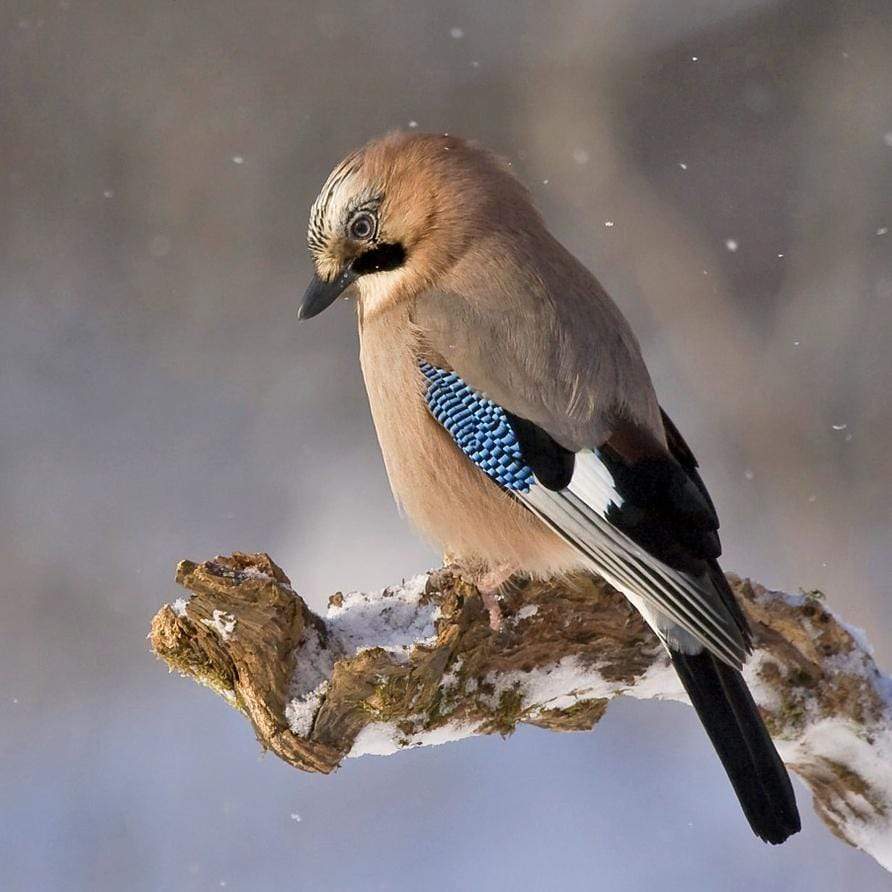
Even environmentalists have long debated the pros and cons of feeding birds during winter. However, more experts are now in favor of it. The reason is simple: the number of birds in Germany has dropped significantly. By supplementing their food, you help these little creatures cope during the cold months. It’s important to make sure that the feeding stations are safe from cats. Additionally, using a silo feeder can reduce the risk of bird diseases. You can even easily make your own fat balls for tits: simply melt 300g of coconut fat, mix in 2 tablespoons of cooking oil and 30g of mixed birdseed, then pour the mixture into a cleaned yogurt cup, insert a piece of binding string, and let it cool overnight. Soon you can hang your very own fat ball for the tits.
3) Be the nut supplier for squirrels
Squirrels start packing on their winter reserves by the end of summer. Of course, they’re not averse to a little snack in between. This is especially helpful for those furry friends who, for some reason, haven’t acquired enough fat for winter. A mix of hazelnuts, walnuts, unsalted peanuts, corn, carrots, and dried fruits works best.
4) Leave the berries hanging
You shouldn’t prune berry bushes and seed-bearing plants before winter. The idea is similar to leaving the leaves: a little laziness does a lot of good. Many animals rely on these shrubs for food during the winter. It’s best to leave them untouched and only trim them in the spring.

5) Be the real estate agent for hedgehogs
Hedgehogs typically spend winter cozy in their nests, using up to three different nests throughout the season. One of these could be in your garden. Sometimes a simple pile of leaves is enough, though a homemade hedgehog nest is perfect. It should be 30cm high, 30cm wide, and 30cm long, with an entrance small enough to keep out dogs and cats. Brick walls and a wooden board for a roof are entirely sufficient. You can insulate the nest by draping something over it. If you want to pamper the hedgehog, fill the nest with a welcome package of straw, hedgehog dry food, and an egg.
6) Leave dry spots for the animals
In winter, we rarely spend time in the garden... except, of course, for that January barbecue. :) Small sheds, bicycle storage areas, or benches can be the perfect hideouts for animals. If you notice that a hedgehog or a dormouse has taken up residence in your shed, let them enjoy a few weeks of rent-free living. In these spots, they are well-protected from snow and rain.
7) Build a house for Family Bird
While birds are excellent at keeping warm on their own, a birdhouse can still offer them a secure retreat. The key is not to disturb any old nests. Instead, offer your new birdhouse “unfurnished” to your feathery tenants. They will gather everything they need on their own.

Even if you only follow one of these tips, you might have saved an animal’s life or at least made its winter a little easier.
This summer, the birds will repay you with their cheerful chirping!
